









Home Tips That Matter — From the Team at Zip Appliance & Plumbing Repair – Modesto, CA
Quick Solutions for Washer and Dryer Problems Common in Modesto Households
Small washer and dryer problems can turn into big headaches fast. Spot issues early, act quickly, and keep your Modesto laundry routine running smoothly. - Appliance Boss
Introduction: Tackling Washer and Dryer Problems in Modesto Households
Laundry appliances are essential for keeping a household running smoothly, but when washers and dryers start malfunctioning, even simple chores can turn into a stressful ordeal. In Modesto households, where families often juggle busy schedules, appliance downtime can disrupt daily routines, create laundry backlogs, and even lead to costly repairs. Understanding common problems and having quick solutions at hand ensures that your laundry routine stays efficient and stress-free.
Why Quick Solutions Are Essential for Busy Homeowners
Time is precious, and waiting days for a malfunctioning washer or dryer to start working again can be frustrating. Quick solutions prevent small issues from escalating into major repairs, save money on replacement parts, and minimize disruption to your household schedule. Acting promptly also protects your appliances from further damage, extending their lifespan.
How Malfunctioning Laundry Appliances Disrupt Daily Life
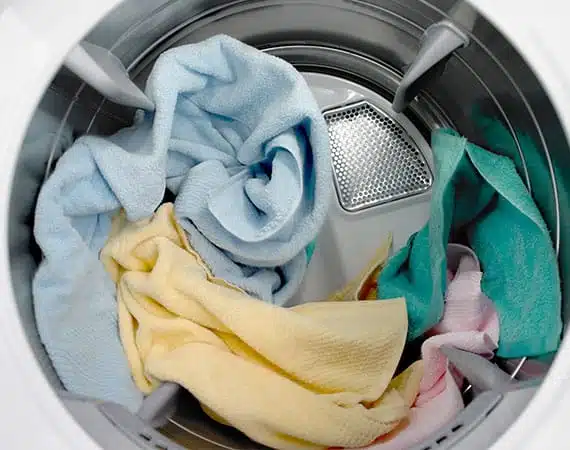
When washers or dryers fail, laundry piles accumulate quickly. Wet clothes can develop mildew, drying times increase, and energy usage spikes. In busy households, this disruption affects morning routines, work schedules, and even clothing availability, making a normally simple task far more stressful than it should be.
Common Signs Your Washer Is Acting Up
Being proactive is key. Some common signs include clothes remaining soggy, unusual noises, excessive vibration, leaking water, or cycles that fail to complete. Recognizing these early warning signals helps prevent more extensive damage and costly repairs.
Washer Won’t Spin or Agitate Properly
A washer that refuses to spin or agitate can leave clothes drenched and unclean. Causes range from unbalanced loads and worn belts to faulty motors. Identifying the exact issue ensures the right repair approach.
Unusual Noises From the Washer Explained
Grinding, squealing, or thumping noises often indicate mechanical stress. Bearings may be worn, the motor coupling could be damaged, or foreign objects may be trapped in the drum. Listening carefully to these sounds provides valuable diagnostic clues.
Leaks, Flooding, and Water Damage Risks
Leaks may start small but can quickly escalate into flooding and structural damage. Washer hoses, seals, and pumps are common culprits. Ignoring early leaks can lead to warped floors, mold growth, and expensive water damage repairs.
Washer Fails to Drain or Fill Correctly
If your washer doesn’t drain or fill as expected, check the water inlet valves, hoses, and the pump. Blockages or worn components can prevent proper water flow, causing incomplete cycles and potentially triggering safety mechanisms that halt spinning.
Common Electrical and Control Issues
Washer malfunctions can stem from faulty wiring, control panels, or timers. A machine that doesn’t start or stops mid-cycle may have an electrical issue. Ensuring circuits are functioning and replacing defective components can restore proper operation.
Clothes Come Out Too Wet or Too Soapy
Excess water or leftover detergent indicates a problem with the rinse cycle, drainage, or overloading. Adjusting detergent amounts, checking drainage systems, and confirming proper load distribution can resolve these issues efficiently.
Frequent Washer Breakdowns and Their Causes
Repeated washer failures are often due to neglected maintenance, worn parts, or persistent overloading. Understanding these underlying causes allows homeowners to take preventive measures and reduce appliance downtime.
Quick Fixes for Washer Problems
Many washer issues can be addressed quickly at home. Tightening loose belts, clearing clogs, redistributing loads, and cleaning filters often restore normal function without requiring a service call.
Checking and Replacing Belts and Hoses
Worn belts or hoses can prevent the drum from spinning or cause leaks. Inspect these components regularly and replace them at the first sign of wear to maintain efficient operation.
How to Balance Laundry Loads for Smooth Spinning
Unevenly distributed laundry can trigger imbalance sensors and stop the spin cycle. Adjusting the placement of clothes, especially bulky items, ensures smooth, effective spinning.
Cleaning and Maintaining Filters and Drains
Clogged filters and blocked drains reduce efficiency and may prevent cycles from completing. Routine cleaning removes lint, soap buildup, and debris, keeping your washer performing optimally.
Resetting the Control Panel and Timer
Sometimes, a simple reset of the control panel or timer resolves cycle errors. Powering off the machine for a few minutes or consulting the manual for a reset procedure can restore normal function.
Addressing Motor and Pump Issues
A failing motor or pump can prevent spinning, filling, or draining. Regular inspection and prompt replacement of worn components are crucial to avoid extended downtime and more costly repairs.
Common Dryer Problems in Modesto Homes
Dryers, like washers, face their own set of issues: failure to heat, long drying times, unusual noises, and uneven drying. Identifying these common problems helps prevent extended laundry delays.
Dryer Not Heating or Taking Too Long to Dry
Heating issues are often caused by faulty heating elements, clogged vents, or thermostat malfunctions. Clearing vents and inspecting electrical components can restore proper drying performance.
Unusual Dryer Noises and What They Mean
Squealing, thumping, or rattling in dryers often indicate worn drum rollers, belts, or bearings. Addressing these noises early prevents further mechanical damage.
Lint Trap and Vent Cleaning for Optimal Performance
Blocked lint traps and vents reduce airflow, increasing drying times and fire risk. Regular cleaning ensures efficiency, safety, and prolongs appliance life.
Electrical and Thermostat Issues in Dryers
Malfunctioning thermostats or electrical components can cause the dryer to overheat or shut off mid-cycle. Diagnosing and repairing these elements keeps drying cycles consistent.
Quick Solutions for Dryer Problems
Many dryer issues can be remedied with simple fixes: cleaning vents, checking electrical connections, adjusting load sizes, and replacing worn belts or rollers.
Fixing Overheating and Frequent Shut-Offs
Overheating often results from airflow restrictions or faulty sensors. Regular vent maintenance and component inspection prevent cycle interruptions and reduce fire hazards.
Replacing Worn Belts, Rollers, and Drum Components
Worn belts and rollers create noise and uneven drying. Replacing these parts restores smooth drum rotation and consistent drying performance.
Preventive Maintenance Tips for Washers and Dryers
Routine maintenance keeps appliances operating efficiently and prevents unexpected breakdowns. Simple inspections and cleaning schedules go a long way.
Regular Cleaning Routines to Avoid Common Issues
Clean lint traps, detergent dispensers, and drum interiors regularly. This removes buildup, prevents odors, and ensures optimal performance.
How to Inspect Hoses, Vents, and Connections
Check hoses for cracks or leaks, confirm vents are clear, and tighten loose connections. Proper inspection reduces the risk of leaks, overheating, and mechanical failures.
When to Call a Professional Appliance Repair Technician
Some problems require expert attention, such as electrical faults, motor failures, or persistent leaks. Professional intervention prevents further damage and ensures safe operation.
Choosing a Reliable Modesto Washer and Dryer Service
Select licensed, insured technicians with strong local reputations. Prompt, skilled service reduces appliance downtime and extends the life of your washer and dryer.
Energy-Saving Tips While Maintaining Appliance Health
Use appropriate load sizes, clean filters regularly, and avoid excessive detergent. These practices reduce energy usage while maintaining efficient appliance operation.
Conclusion: Keeping Your Modesto Washer and Dryer Running Smoothly and Efficiently
Washers and dryers are essential household appliances, and quick solutions for common problems can save time, money, and stress. Regular maintenance, load management, and timely repairs prevent small issues from escalating into major malfunctions.
For Modesto homeowners seeking professional appliance repair, Zip Appliance and Plumbing provides expert washer and dryer solutions. Visit https://zipapplianceandplumbing.com/modesto-appliance-and-plumbing-repair or call 209-249-0256 to keep your appliances running efficiently and your laundry routine stress-free.

Trusted by Modesto Families & Businesses Alike
With years of experience and hundreds of satisfied customers, Zip Appliance & Plumbing Repair is proud to expand into Modesto. Whether it’s a minor fix or a major repair, we treat your home like it’s our own.
Let’s get your home running smoothly again — Fix It With Zip
Zip Appliance & Plumbing Repair – Modesto, CA
COMPANY
BUSINESS HOURS
SUNDAY: 9:00 am - 4:30 pm
MONDAY: 7:00 am - 6:00 pm
TUESDAY: 7:00 am - 6:00 pm
WEDNESDAY: 7:00 am - 6:00 pm
THURSDAY: 7:00 am - 6:00 pm
FRIDAY: 7:00 am - 6:00 pm
SATURDAY: 9:00 am - 4:30 pm
Copyright 2026. Zip Appliance & Plumbing Repair Modesto. All Rights Reserved. | Privacy Policy