










Home Tips That Matter — From the Team at Zip Appliance & Plumbing Repair – Modesto, CA
How Hard Water in Modesto Affects Your Appliances Explained
Hard water in Modesto may be invisible, but its impact on your appliances is real—proactive care today saves costly repairs and extends appliance life tomorrow. - Appliance Boss
Introduction
Hard water is a silent culprit in many Modesto homes. While it looks harmless when running from your taps, the high concentration of minerals, particularly calcium and magnesium, can wreak havoc on household appliances over time. Understanding its effects is the first step toward protecting your investment and maintaining efficiency in your home.
What Is Hard Water and How Does It Enter Your Home
Hard water is water with elevated levels of dissolved minerals, primarily calcium and magnesium. It enters homes through municipal water supplies or wells, often depending on the local geology. As water travels through soil and rock, it picks up these minerals, which then circulate through plumbing and appliances.
The Mineral Composition of Modesto’s Water Supply
Modesto’s water supply typically contains higher concentrations of calcium and magnesium, giving it a moderately hard to hard classification. These minerals, while not harmful to humans in small amounts, are prone to creating deposits inside appliances, pipes, and fixtures, gradually affecting performance.
Why Hard Water Is a Concern for Home Appliances
The minerals in hard water accumulate over time, forming limescale and reducing appliance efficiency. This buildup can lead to mechanical wear, higher energy consumption, and even premature failure. Understanding this risk is key to preventing costly repairs and maintaining consistent performance.
Signs Your Appliances Are Suffering from Hard Water
Common signs include white crusty deposits on heating elements, reduced water flow, cloudy dishes, dingy laundry, and odd noises from appliances. Frequent repairs or increased energy bills can also indicate underlying mineral-related damage.
How Hard Water Causes Scale Buildup in Appliances
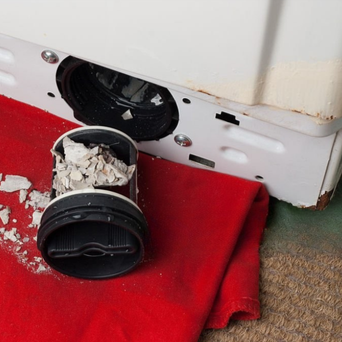
Scale buildup occurs when minerals precipitate out of water during heating or regular use. This calcification forms a stubborn layer on heating elements, pipes, and water-contact surfaces, reducing efficiency and straining the appliance’s mechanical components.
Impact on Water Heaters: Reduced Efficiency and Lifespan
Water heaters are particularly vulnerable to hard water. Scale on heating elements forces the unit to work harder, consuming more energy and leading to uneven heating. Over time, this accelerates wear and reduces the overall lifespan of the heater.
Effects on Dishwashers: Spots, Film, and Mechanical Wear
Hard water leaves behind unsightly spots and film on glassware and dishes. Mineral deposits can clog spray nozzles, wear out pumps, and reduce detergent effectiveness, ultimately affecting cleaning performance and shortening the appliance’s life.
Laundry Machines and Hard Water: Dingy Clothes and Limescale
Washing machines are also susceptible. Hard water interacts with soap to create residue, causing clothes to look dull and feel stiff. Over time, limescale can accumulate in the drum, pipes, and heating elements, leading to inefficiency and potential malfunctions.
Faucets and Showerheads: Clogs and Reduced Water Flow
Mineral deposits often settle in faucet aerators and showerheads, reducing water flow and creating unsightly buildup. Regular cleaning or installing filters can prevent these clogs and maintain consistent water pressure throughout the home.
Kitchen Appliances Most Vulnerable to Hard Water Damage
Coffee makers, kettles, ice makers, and refrigerators are among the most affected. Mineral buildup can alter taste, impair function, and cause premature wear. Small appliances are often overlooked, making them hidden victims of hard water.
How Hard Water Reduces Appliance Efficiency and Increases Energy Costs
When minerals coat heating elements and reduce heat transfer, appliances consume more energy to achieve the same results. This inefficiency translates to higher utility bills and a larger environmental footprint.
Corrosion and Rust: Hidden Damage from Hard Water
Mineral deposits can combine with oxygen to accelerate corrosion, particularly in metal components. Rust weakens structural integrity, damages internal parts, and can lead to leaks or complete appliance failure.
Clogged Pipes and Valves: How Scale Interferes with Plumbing
Over time, hard water can constrict pipes and valves, reducing water flow and pressure. This not only affects appliance performance but can also strain pumps and motors, increasing the likelihood of mechanical failure.
Detecting Hard Water Damage Early in Your Appliances
Regular inspections for scale, mineral deposits, unusual noises, or changes in performance can help catch issues before they escalate. Early detection allows for timely intervention, preserving both efficiency and appliance longevity.
DIY Tests to Measure Hard Water Levels at Home
Simple home tests, such as using test strips or vinegar-based solutions, can reveal the hardness of your water. Knowing your water’s mineral content is essential for deciding on appropriate protective measures.
Simple Maintenance Tips to Protect Appliances from Hard Water
Flush water heaters and coffee makers regularly
Clean showerheads, faucets, and dishwasher nozzles
Use descaling solutions on kettles and ice makers
Wipe away visible mineral deposits promptly
Run appliances on high-heat or cleaning cycles periodically
Professional Solutions: Water Softeners and Filtration Systems
Installing water softeners or specialized filtration systems removes calcium and magnesium, reducing mineral buildup. Professional assessment ensures proper sizing, installation, and maintenance for maximum appliance protection.
How Preventative Measures Extend Appliance Lifespan
Routine maintenance and water treatment prevent scale, reduce mechanical strain, and improve efficiency. By addressing hard water proactively, homeowners can extend appliance life, reduce repair costs, and maintain consistent performance.
The Cost of Ignoring Hard Water Problems in Modesto
Neglecting hard water can result in frequent repairs, energy inefficiency, and early replacement of expensive appliances. The cumulative financial impact often exceeds the investment in preventative solutions.
Signs It’s Time to Repair or Replace Affected Appliances
Persistent buildup, decreased performance, frequent malfunctions, or visible corrosion are clear indicators that professional service or replacement may be necessary. Timely action can save both money and frustration.
Seasonal Appliance Care Tips for Hard Water Areas
Flush water heaters in spring and fall, clean faucets and showerheads monthly, and run descaling cycles on small appliances regularly. Seasonal care helps prevent accelerated wear from Modesto’s mineral-rich water.
Conclusion: Protecting Your Home from Hard Water Damage
Hard water in Modesto can silently damage appliances, increase energy costs, and shorten lifespan if left unchecked. Protect your home with proactive maintenance, water softening, and professional inspections. For expert solutions and appliance care, trust Zip Appliance and Plumbing. Visit https://zipapplianceandplumbing.com/modesto-appliance-and-plumbing-repair or call 209-249-0256 to safeguard your appliances and keep them running efficiently.
FAQs: Most Common Questions About Hard Water and Appliances in Modesto
How do I know if Modesto’s water is hard?
Can hard water really damage all types of appliances?
What maintenance steps prevent mineral buildup?
Are water softeners worth the investment?
How often should appliances be inspected for hard water damage?

Trusted by Modesto Families & Businesses Alike
With years of experience and hundreds of satisfied customers, Zip Appliance & Plumbing Repair is proud to expand into Modesto. Whether it’s a minor fix or a major repair, we treat your home like it’s our own.
Let’s get your home running smoothly again — Fix It With Zip
Zip Appliance & Plumbing Repair – Modesto, CA
COMPANY
BUSINESS HOURS
SUNDAY: 9:00 am - 4:30 pm
MONDAY: 7:00 am - 6:00 pm
TUESDAY: 7:00 am - 6:00 pm
WEDNESDAY: 7:00 am - 6:00 pm
THURSDAY: 7:00 am - 6:00 pm
FRIDAY: 7:00 am - 6:00 pm
SATURDAY: 9:00 am - 4:30 pm
Copyright 2026. Zip Appliance & Plumbing Repair Modesto. All Rights Reserved. | Privacy Policy